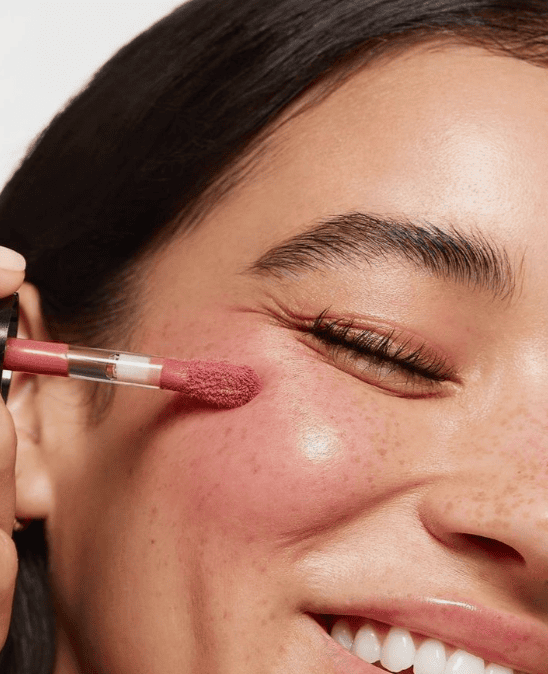
Ask any professional makeup artist about the secret to flawless makeup, and the answer is rarely a product. It’s the skin underneath.
Backstage, on set and at the makeup counter, the first minutes are almost always spent on skin. Cleansing, hydrating, smoothing, balancing. Only once the skin looks and feels comfortable does the makeup come out. It isn’t a formality. It’s the step that decides how everything else will look.
Makeup sits on top of your skin, so whatever is happening underneath will show through. The best foundation in the world can’t hide a dehydrated base. It will only highlight it.
Why hydration matters so much
When skin is dehydrated, makeup struggles to sit well on it.
Foundation clings to dry patches and flakes. It settles into fine lines, making them look more obvious. Powder emphasises texture instead of softening it. And as the day goes on, makeup on dehydrated skin tends to look flat, patchy or cakey.
Well-hydrated skin is smoother, more supple and more even. Makeup glides on, blends more easily and melts into the skin rather than sitting on top of it. It also tends to last longer, because it isn’t being absorbed into thirsty skin or breaking up across dry patches.
It’s worth remembering that dehydration isn’t the same as dryness. Any skin type can be dehydrated, including oily skin. In fact, oily skin that feels tight but looks shiny is often dehydrated, and it’s one of the most common reasons makeup separates or slides by midday.
Preparing your skin for makeup
A good makeup base follows the same principles as a good skincare routine, with a little extra thought for what’s going on top.
Cleanse. Start with a clean base, so makeup isn’t sitting on oil or yesterday’s products.
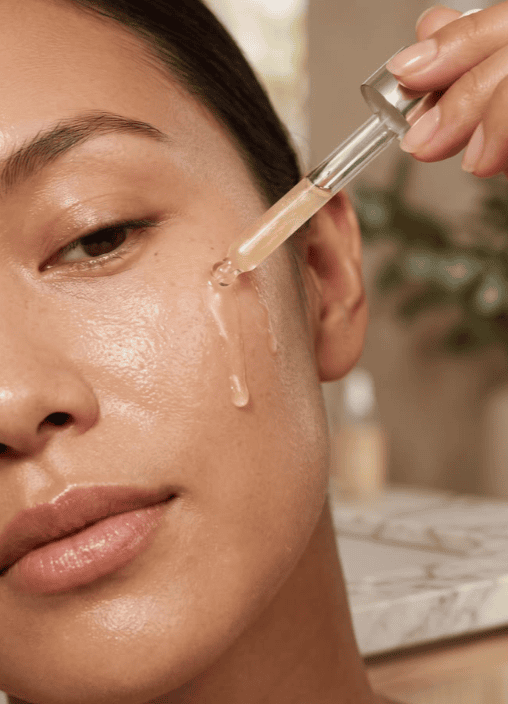
Hydrate. A hydrating serum or essence, like one with hyaluronic acid, adds a layer of water-based moisture that plumps and smooths the skin. Apply it to slightly damp skin.
Moisturise. Choose a moisturiser that suits your skin type, as this sets the tone for your whole base. Too rich, and makeup can slide. Too light, and your skin may still look dry through your foundation.
Protect. Apply sunscreen as the final skincare step in the morning.
Let it settle. Give your skincare a few minutes to absorb before applying makeup. Applying foundation straight onto damp or freshly layered skin is one of the most common causes of pilling and patchiness.
Prep for your skin type
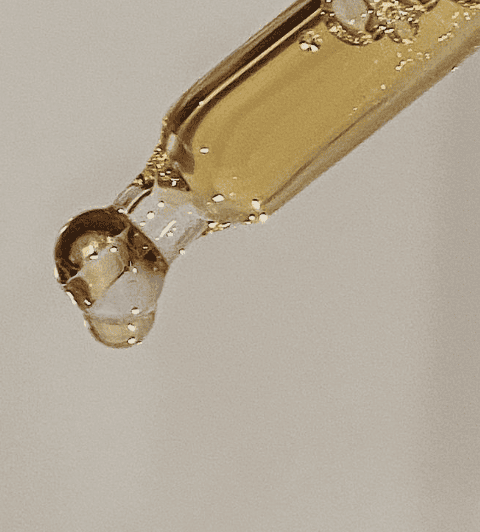
Dry skin benefits from a richer moisturiser, and a drop of facial oil mixed in on very dry days. Focus on hydration, and avoid heavy powder, which can emphasise dryness.
Oily skin still needs moisturiser, just a lightweight one. Skipping it can leave skin dehydrated, and prompt it to produce even more oil. A mattifying primer on the T-zone only can help control shine without drying the rest of your face.
Combination skin often does best with different approaches in different places: extra hydration on the cheeks, and something more mattifying through the T-zone.
Sensitive skin is best kept simple. Fewer, gentler products mean less chance of irritation under makeup.
Where primer fits in
Primer goes after your skincare and before your makeup. Depending on the formula, it can smooth texture, blur pores, add hydration, control shine or help makeup last longer.
It can be genuinely useful, but it isn’t a substitute for skincare. A primer can’t make up for dehydrated skin, and if your skincare is right, you may not need one at all. Think of it as a finishing touch for your base, not the base itself.
The texture of the canvas
Regular, gentle exfoliation helps too. Removing the build-up of dead skin cells gives makeup a smoother surface to sit on, and helps prevent foundation clinging to flaky patches.
Just keep strong exfoliants away from the morning you’re doing your makeup, as freshly exfoliated skin can be more sensitive, and a routine exfoliating night or two a week is plenty.
Common reasons makeup doesn’t sit well
Dehydrated skin, which makes foundation cling and settle into lines.
Applying makeup too soon after skincare, before it has absorbed.
Using too much skincare, which leaves a slippery layer for makeup to slide on.
Mixing incompatible formulas. Water-based and silicone-based products don’t always sit well together, and can pill. If your makeup keeps rolling or separating, try pairing products with similar bases.
Skipping moisturiser on oily skin, which can make oiliness worse.
The finishing details
A few small steps make a big difference:
Balm your lips while you do the rest of your makeup, so lipstick goes on smoothly.
Use a light eye cream, and let it absorb before applying concealer, so it doesn’t crease.
Warm your foundation between your fingers before applying, so it melts into the skin more easily.
The short version:
Makeup can only look as good as the skin underneath. Hydrate, moisturise, protect, and give it time to settle.
Ask yourself:
Does my foundation cling to dry patches, settle into lines or slide by midday? The answer is usually in my skincare.
Worth knowing:
Oily skin can be dehydrated too. Skipping moisturiser often makes makeup separate faster, not slower.