Moisturiser is one of the steps people think about least. It’s often the product that came in a set, or the one that smelled nice at the counter. And yet it’s one of the most important choices in your routine, because it’s the step your skin relies on every single day.
The most useful thing to understand about a moisturiser isn’t what it promises. It’s how it’s made.
What a moisturiser actually does
A moisturiser’s main job is to keep your skin hydrated and comfortable, and to support its barrier so moisture stays in.
Most do this with a combination of three types of ingredients:
Humectants, like glycerin and hyaluronic acid, draw water into the skin.
Emollients soften and smooth the skin’s surface.
Occlusives, like shea butter and squalane, form a light seal that slows down moisture loss.
The balance between them, and especially the balance of oil to water, is what decides how a moisturiser feels and which skin it suits.
Light, medium and rich
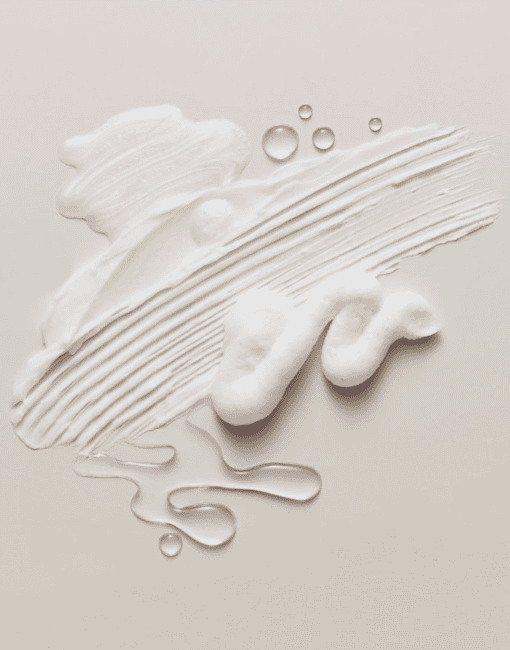
Most moisturisers are emulsions: a blend of water and oil held together. The more water, the lighter the texture. The more oil, the richer it becomes.
Lightweight moisturisers, like gels and gel-creams, are mostly water with very little oil. They absorb quickly and feel fresh. They suit oily skin, and are lovely in warmer, more humid weather.
Medium-weight moisturisers, like lotions and lighter creams, have a more even balance. They’re comfortable without feeling heavy, and suit combination and balanced skin.
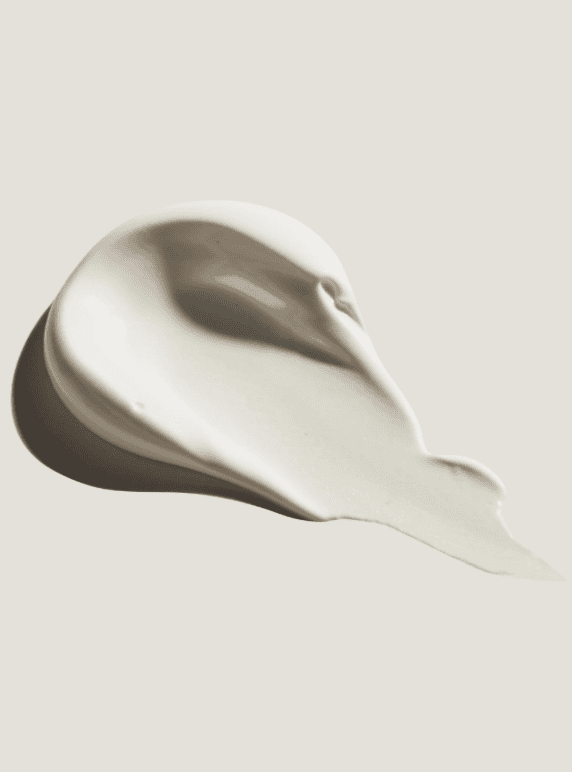
Rich moisturisers, like thick creams and balms, have a higher proportion of oil. They cushion and protect, and suit dry skin, colder weather, and skin that needs extra comfort.
How to tell if it’s right
Your skin will usually let you know within a day.
The right moisturiser absorbs within a few minutes and keeps your skin comfortable for hours. If your skin feels tight again by midday, it’s likely too light. If it sits on the surface, looks shiny, or leads to congestion, it’s likely too heavy.
Morning and night
You can use one moisturiser for both morning and night, and if it suits your skin, there’s no need to complicate it.
Some people prefer two:
In the morning, a lighter formula that sits comfortably under sunscreen and makeup.
At night, a richer formula, as skin tends to lose more moisture overnight and there’s nothing that needs to sit on top of it.
It’s also worth changing the weight with the seasons. A moisturiser that feels perfect in summer may not be enough by January.
A note on moisturisers with SPF: they’re convenient, but most people don’t apply enough moisturiser to get the full level of protection on the label. A separate sunscreen is usually more reliable.
The extras
Many moisturisers now include additional ingredients, like niacinamide, peptides, vitamin C, or even retinol and exfoliating acids. These can be a real bonus.
But they should never be the reason you choose it. The texture and how well the formula suits your skin type come first. A moisturiser with brilliant ingredients in the wrong weight won’t serve your skin as well as a simple one that’s right for it.
If your moisturiser does contain an active ingredient, count it as part of your routine. A retinol moisturiser is your vitamin A step, and an acid moisturiser is a form of exfoliation. That way, you won’t accidentally double up.
The short version:
Choose the weight for your skin type first. The extra ingredients are a bonus.
Ask yourself:
How does my skin feel by midday? Tight means too light; shiny or congested means too heavy.
Worth knowing:
If your moisturiser contains retinol or acids, it counts as a treatment step.