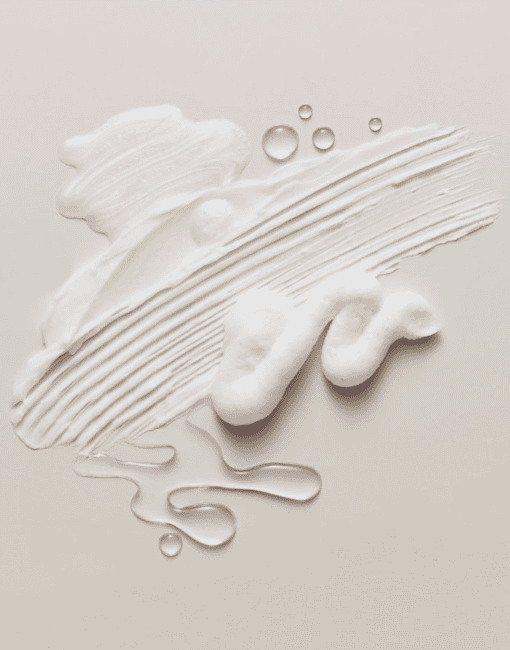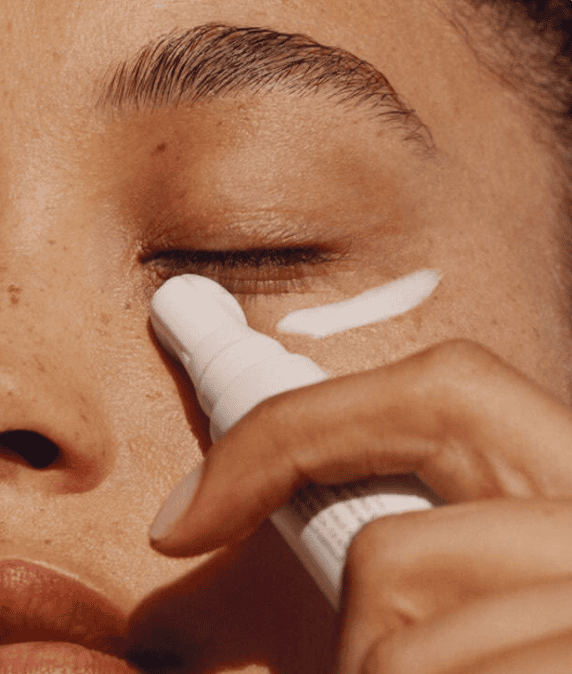
If I could recommend only one skincare product to everyone, it would be sunscreen.
Not because it’s the most exciting step. It rarely is. But because nothing else in your routine does as much to protect your skin long term, or to keep all your other products working the way they should.
Why it matters more than any serum
When we think about ageing, most of us think about wrinkles. But much of what makes skin look older to the naked eye is something else: uneven tone, dark spots, dullness, rough texture and a gradual loss of firmness.
Much of that is photoageing, the visible damage caused by UV exposure over time. Research into how we perceive age suggests that uneven tone and pigmentation can make skin look older even without wrinkles. And unlike natural ageing, photoageing is largely preventable.
That’s why sunscreen is the most effective anti-ageing step there is. It also protects the work of everything else in your routine. There’s little point using vitamin C or exfoliating acids to fade pigmentation if daily UV exposure keeps creating more.
UVA and UVB
Sunlight contains two types of UV that affect the skin, and a good sunscreen protects against both.
UVB is responsible for burning. It mainly affects the skin’s surface, and it’s strongest in summer and in the middle of the day. An easy way to remember it: B for burning.
UVA is responsible for much of the ageing. It reaches deeper into the skin, contributing to pigmentation, loss of firmness and lines. It’s present all year round, at similar levels whether it’s sunny or overcast, and it passes through clouds and windows. A for ageing.
This is why sunscreen isn’t just for holidays. On a grey London morning, UVB may be low, but UVA is still there.
What SPF actually means
SPF measures protection against UVB only. The numbers work like this:
SPF 15 blocks around 93% of UVB.
SPF 30 blocks around 97%.
SPF 50 blocks around 98%.
So SPF 50 isn’t twice as protective as SPF 30. The difference looks small on paper, but in real life it matters more than it seems. Those percentages are based on laboratory testing, using far more sunscreen than most people actually apply. Use less, and you get less protection. A higher SPF gives you a buffer.
For everyday wear, SPF 30 is a good minimum. SPF 50 is worth choosing if you spend a lot of time outdoors, if you’re treating pigmentation, or if you’re using vitamin A or exfoliating acids.
For UVA protection, look for a UVA star rating (five stars is the highest) or the UVA circle logo, which means UVA protection is at least a third of the SPF. Outside the UK and Europe, look for broad spectrum on the label.
Physical vs chemical
Sunscreens use two types of filter, and each has its strengths.
Physical sunscreens, also called mineral sunscreens, use zinc oxide or titanium dioxide. They sit on the surface of the skin and are often the better choice for sensitive or reactive skin. The trade-off is texture: some can feel thicker or leave a white cast, particularly on deeper skin tones, although modern formulas have improved a lot.
Chemical sunscreens use filters that absorb UV and convert it into a small amount of heat. They tend to be lighter, more invisible and easier to wear under makeup. Some can sting sensitive skin or eyes.
Many modern sunscreens combine both. Ultimately, the best sunscreen is the one you’ll happily wear every single day.
How to use it
Sunscreen is the last step of your morning routine, after moisturiser and before makeup.
Most people apply too little. As a guide, use about half a teaspoon for your face and neck. If you’re outdoors for long periods, reapply every two hours, and after swimming or sweating.
And wear it every day, whatever the weather.
The short version:
Protect against both UVA and UVB, every day, all year round. SPF 30 at minimum.
Ask yourself:
Am I wearing sunscreen on grey days too? Am I using enough?
Worth knowing:
SPF only measures UVB. For UVA, check for the star rating or the UVA circle.