If you’ve ever tried to grow your hair, you’ll know how slow it can feel. Months pass, and it never seems to get any longer.
Trimming won’t speed things up. Hair grows from the follicle beneath your scalp, and nothing you do to the ends can change its pace. But there’s a lot you can do to help your hair reach the length you want, and most of it comes down to one idea.
Growing vs keeping your length
For most people, the problem isn’t that hair isn’t growing. It’s that it’s breaking at roughly the same rate.
Hair grows about one to one and a half centimetres a month. If the ends are dry, damaged or splitting, they break off, and you lose length as fast as you gain it. So growing longer hair is really about keeping the length you grow: protecting your ends, and looking after the scalp it grows from.
Protect your ends
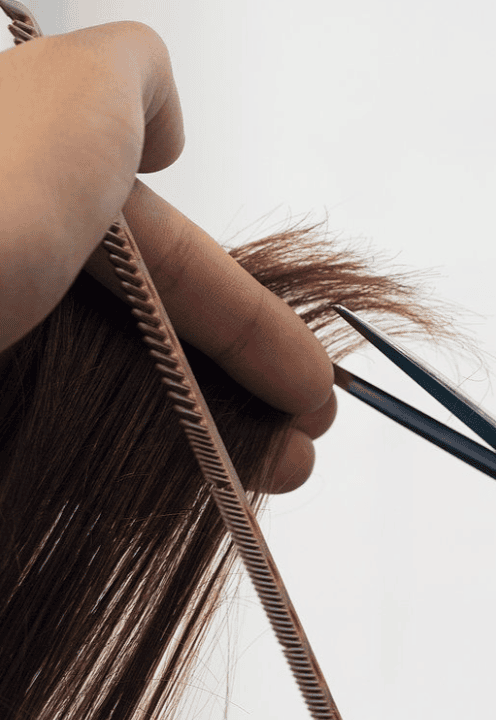
Trim little and often. A small trim every 8 to 12 weeks removes split ends before they travel up the strand and cause breakage.
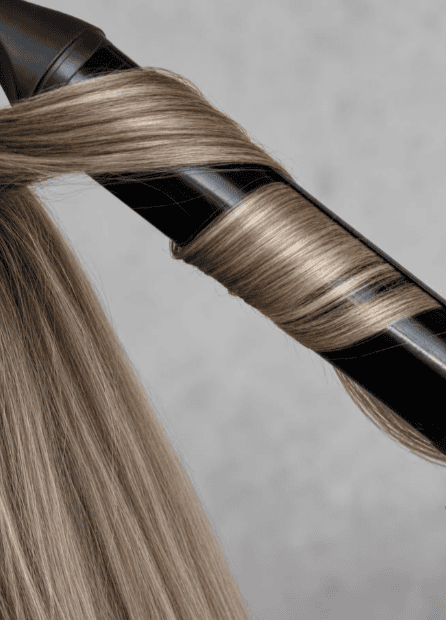
Protect your hair from heat. Use heat protection every time, keep temperatures as low as your hair allows, and give your hair heat-free days when you can.
Be gentle when it’s wet. Hair is at its most fragile when wet. Detangle with a wide-tooth comb, starting at the ends and working upwards.
Condition your ends. Regular conditioning, masks and a leave-in help keep the oldest part of your hair soft and less likely to break.
Be kind with hairstyles. Very tight ponytails, buns and braids pull on the follicles and, over time, can cause a type of hair loss called traction alopecia. Vary your styles, and choose soft scrunchies or snag-free ties.
Reduce friction. A silk or satin pillowcase, and a microfibre towel instead of a rough one, both help reduce breakage.
Look after your scalp
Your scalp is where every strand begins, so it’s worth caring for like the skin it is. Keep it clean and free from build-up, and choose a shampoo that suits it.
Gentle scalp massage feels lovely and supports circulation, although the evidence that it increases growth is still limited. Some people also try scalp oils, like rosemary oil. There’s some early research, but results vary, so always dilute essential oils and patch test first.
Support it from within
Hair relies on a balanced diet with enough protein, iron and other nutrients. When your body is short of something, hair is often one of the first places it shows.
Supplements are only likely to help if you’re actually deficient. If you’re considering one, ask your GP to check first. Biotin in particular is often marketed for hair, but it rarely helps unless you’re lacking it, and it can interfere with some blood test results.
Be patient
Genetics largely set how fast your hair grows, and how long each hair grows before it naturally sheds. That’s why some people’s hair seems to reach a certain length and stop.
At one to one and a half centimetres a month, noticeable length takes time. Most people see the real difference over six months to a year, especially once breakage is under control.
When it’s more than breakage
Sometimes hair isn’t growing because of breakage at the ends. Sometimes the issue is at the root.
If you notice a lot more hair falling out than usual, a widening parting, patches of hair loss, or thinning that’s getting worse, it’s worth getting it looked at. Common causes include genetic hair thinning, hormonal changes, alopecia areata (an autoimmune condition that causes patchy hair loss), and temporary shedding after illness, stress, pregnancy or a significant life change.
It helps to know who to see:
A GP can check for underlying causes, like iron deficiency or thyroid problems, and refer you on if needed.
A dermatologist is a doctor who specialises in skin, hair and scalp conditions, and can diagnose and prescribe treatment.
A trichologist specialises in hair and scalp health, and can assess your hair and scalp and advise on care. In the UK, trichologists aren’t medical doctors, so they can’t prescribe medication, but many work alongside doctors or refer on when needed.
Treatments for hair loss
There are effective treatments, depending on the cause.
Minoxidil is one of the most established. Applied to the scalp as a foam or solution, it helps extend the hair’s growth phase. It’s available over the counter in the UK, and doctors sometimes prescribe it in tablet form. Results usually take three to six months. Some people notice extra shedding at the start, which is often temporary, and results only last while you keep using it. It isn’t suitable for everyone, including during pregnancy, so it’s best used with professional advice.
Other treatments, like prescription medications, steroid injections for alopecia areata, and newer medicines for severe cases, are available through dermatologists, depending on the type of hair loss.
The earlier hair loss is looked at, the more options there usually are. So if something feels different, it’s always worth asking.
The short version:
Growing longer hair is mostly about keeping the length you grow: protect your ends, care for your scalp and be patient.
Ask yourself:
Is my hair breaking at the ends, or am I losing more from the root? The answer tells you whether you need better habits or professional advice.
Worth knowing:
Biotin supplements rarely help hair unless you’re deficient, and they can affect some blood test results.