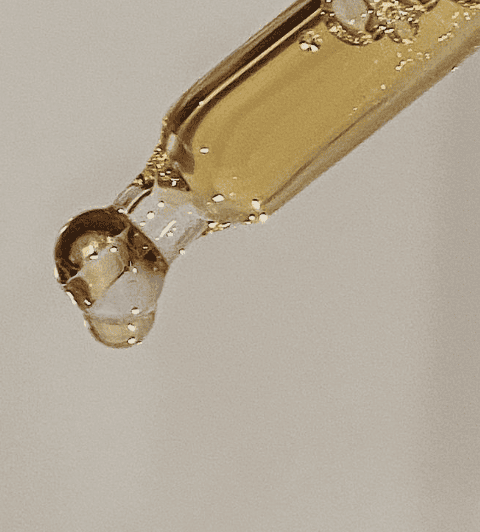
Hair oil is one of those products that means very different things to different people. For some, it’s a few drops smoothed through the ends before heading out. For others, it’s a scalp massage, a pre-wash ritual, or the latest oil everyone online says will make hair grow.
They’re all hair oil, but they’re doing very different jobs. And the most important question isn’t which oil to use. It’s where you’re putting it.
What oil does for hair
Oil works on hair much like it works on skin: it softens, smooths and seals.
On the lengths, oil coats the surface of the hair, helping to smooth the outer layer, reduce frizz, add shine and make hair feel softer. It also helps slow down moisture loss.
As with skin, oil moisturises but doesn’t hydrate. It can help keep moisture in, but it can’t add it. So if your hair is dry, oil works best alongside a good conditioner or mask, not instead of one.
Oil on the ends
This is where most people will see the biggest benefit.
The ends are the oldest, driest part of your hair, so a little oil there can make a real difference to how smooth and healthy they look.
Use very little. Start with one or two drops, warmed between your palms.
Apply to the mid-lengths and ends only, keeping it well away from the roots.
Use it on damp or dry hair. On damp hair, it helps smooth as your hair dries. On dry hair, it adds shine and tames flyaways.
Add more only if you need it. It’s much easier to add than to take away.
Choose your oil to suit your hair’s thickness:
Fine hair suits lightweight oils like argan, jojoba or squalane, or a lightweight finishing serum.
Thick, coarse, curly or coily hair can take richer oils, like coconut, avocado or shea.
Many finishing oils and serums also contain silicones, which smooth the surface of the hair and give that glossy, polished finish. They’re effective, and they rinse out with a good shampoo. Just use a clarifying shampoo now and then if your hair starts to feel heavy.
Oil as a pre-wash treatment
Using oil before you wash is one of the oldest haircare rituals, and it can genuinely help dry or damaged hair.
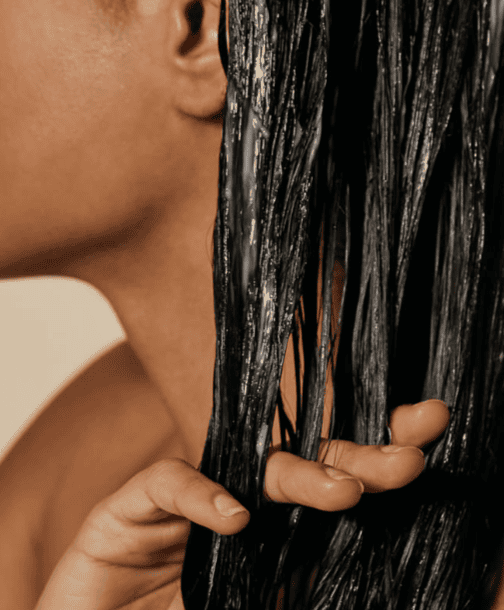
Apply oil generously to your lengths, and leave it for at least thirty minutes, or overnight if your hair is very dry. Then shampoo as normal. You may need two washes to remove it fully.
This helps protect the hair from being stripped during washing, and leaves it softer afterwards. Coconut oil is often used this way, as it’s one of the few oils shown to penetrate the hair shaft rather than simply coating it.
Oil on the scalp
Scalp oiling can feel lovely, and a gentle scalp massage is relaxing. It can also help a scalp that feels dry or tight.
But it isn’t right for every scalp.
Oily scalps rarely benefit, as they already produce plenty of oil.
Flaky or dandruff-prone scalps can sometimes get worse, because the yeast linked to dandruff feeds on certain oils. If you have persistent flaking, a medicated shampoo is usually a better place to start.
Dry scalps are where oil can help most.
If you oil your scalp, use a small amount, massage it in gently, and wash it out thoroughly afterwards. Don’t leave oil on the scalp for days.
A note on hair growth
You may have seen oils like rosemary oil recommended for hair growth. There’s some early research, but the evidence is still limited, and results vary a lot from person to person.
If you want to try it, always dilute essential oils in a carrier oil and patch test first, as they can irritate the scalp. And if you’re noticing significant shedding or thinning, it’s worth speaking to a GP, dermatologist or trichologist, as there may be an underlying cause that oil won’t address.
Oil and heat
Most natural oils aren’t designed to protect your hair from heat, and applying them before high heat can do more harm than good. Before heat styling, use a heat protectant instead. Some finishing oils are formulated with heat protection built in, and the label will say so.
The short version:
On the ends, oil smooths, softens and adds shine. On the scalp, it only suits some people. Where you use it matters more than which oil you choose.
Ask yourself:
What am I using oil for: smoothing my ends, protecting before washing, or soothing a dry scalp?
Worth knowing:
Oil isn’t a heat protectant, unless the label says it is.