Hair masks have a slightly indulgent reputation. The Sunday-evening treatment, the shower cap, the twenty minutes of doing nothing while your hair drinks something rich.
That ritual can be lovely. But masks are also one of the most useful tools in haircare, particularly for hair that’s dry, coloured or heat-styled. The key is knowing whether your hair actually needs one, and which kind.
What a hair mask actually is
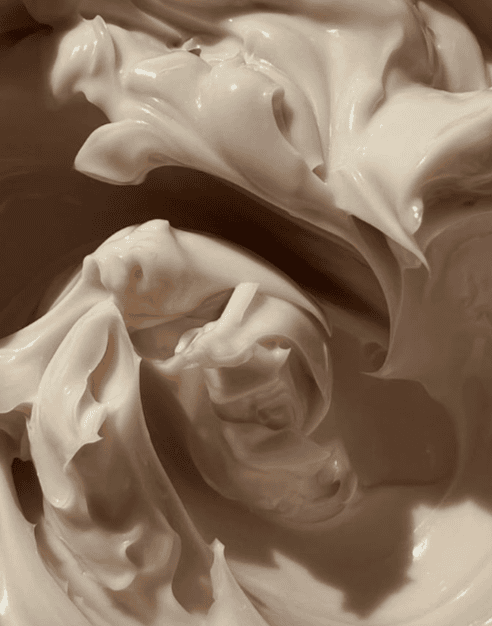
A hair mask is a more concentrated, more intensive version of conditioner.
Your everyday conditioner smooths, softens and detangles after washing. It works quickly, and it’s light enough to use every time. A mask is richer and more concentrated, and and you leave it on for longer, which gives it more time to nourish and strengthen the hair.
Put simply: conditioner is maintenance, and a mask is treatment.
Do you need one?
Not necessarily. If your hair feels soft, looks healthy and isn’t coloured or heat-styled often, a good conditioner may be all it needs.
A mask is worth adding if your hair:
- Feels dry, rough or straw-like.
- Is coloured, bleached or chemically treated.
- Sees heat-styled regularly.
- Is curly or coily, and naturally drier.
- Breaks easily, or has split ends.
- Turns frizzy, or struggles in humid weather.
The different types
Like serums in skincare, masks come in different types for different needs:
- Moisturising masks add softness and hydration. They suit dry, curly, coily and frizz-prone hair.
- Strengthening masks often contain proteins or bond-building ingredients. They suit damaged, bleached or weak hair that breaks easily
- Smoothing masks help tame frizz and add shine.
- Colour-care masks help protect colour-treated hair. Purple masks are a version for blonde and grey hair, used to neutralise brassy, yellow tones.
- Scalp masks, often clay-based or gently exfoliating, work on the scalp rather than the lengths, to remove build-up or calm an oily scalp.
Moisture and protein
This is the distinction that makes the biggest difference.
Hair needs a balance of moisture, for softness and flexibility, and protein, for strength and structure. Most masks lean towards one or the other.
- If your hair feels dry, rough and tangled, it likely needs more moisture.
- If it feels weak, overly stretchy, limp or breaks easily, it may need more protein.
Too much of either can cause problems. Protein overload can leave hair stiff and brittle, while too much moisture can leave it limp and lacking structure. If you use masks regularly, alternating between the two, or choosing a balanced formula, often works best.
How often to use one
For most people, once a week is a good place to start.
- Dry, damaged or bleached hair may benefit from twice a week.
- Fine hair often does best every week or two, as masks can weigh it down.
- Healthy hair may only need a mask occasionally, as a boost.
Let your hair guide you. If it starts to feel heavy, limp or greasy, use a mask less often.
How to use a mask properly
- Shampoo first, so your hair is clean and ready to absorb it.
- Squeeze out excess water, as masks work better on damp rather than dripping hair.
- Apply from the mid-lengths to the ends, avoiding the roots unless it’s a scalp mask.
- Comb it through with a wide-tooth comb, so every strand is coated.
- Leave it on for the time recommended, usually between five and twenty minutes.
- Add warmth if you like. A shower cap or a warm towel can help the mask work more effectively.
- Rinse thoroughly, until your hair feels soft but no longer slippery.
On mask days, your mask usually replaces your conditioner, unless the instructions suggest otherwise.
Common mistakes
- Applying it to the roots, which can leave hair flat and oily.
- Using it too often, particularly on fine hair.
- Using the wrong type, like a heavy moisturising mask on hair that actually needs strength.
- Rushing it, and rinsing it out before it’s had time to work.
- Not rinsing thoroughly, which leaves residue behind.
The Sunday-evening ritual can stay. Once you know whether your hair is asking for moisture or strength, choosing a mask becomes much simpler, and a weekly treatment starts to show in how your hair looks and feels between washes.
The short edit
The essentials:
A mask is an intensive conditioner. Use it once a week if your hair is dry, coloured, damaged or heat-styled.
Ask yourself:
Does my hair feel dry and rough, or weak and prone to breaking? That tells you whether it needs moisture or strength.
Worth knowing:
Too much protein can make hair brittle, and too much moisture can make it limp. Balance is what you’re aiming for.