Serums and facial oils often sit side by side on the shelf, in similar little bottles with droppers, at similar prices. It’s easy to assume they do the same job.
They don’t. In fact, they do almost opposite things, which is exactly why they can work so well together.
What a serum does
A serum is designed to deliver. Most are water-based and lightweight, built around a concentrated active ingredient, like hyaluronic acid, vitamin C or niacinamide, that targets a specific condition.
Because the texture is thin, a serum goes on early in your routine, close to the skin, so that ingredient can do its work.
What a facial oil does
A facial oil is designed to protect. It sits on the surface of the skin, softening it and helping to reduce the amount of water lost through the day or overnight. It supports the skin’s barrier and leaves it feeling comfortable and nourished.
This is the part people most often miss: oils moisturise, but they don’t hydrate. Hydration is water, and oil contains none. An oil can help keep hydration in, but it can’t add it. So if your skin is dehydrated, an oil alone won’t fix it. You need a hydrating serum or moisturiser underneath.
Where the line blurs
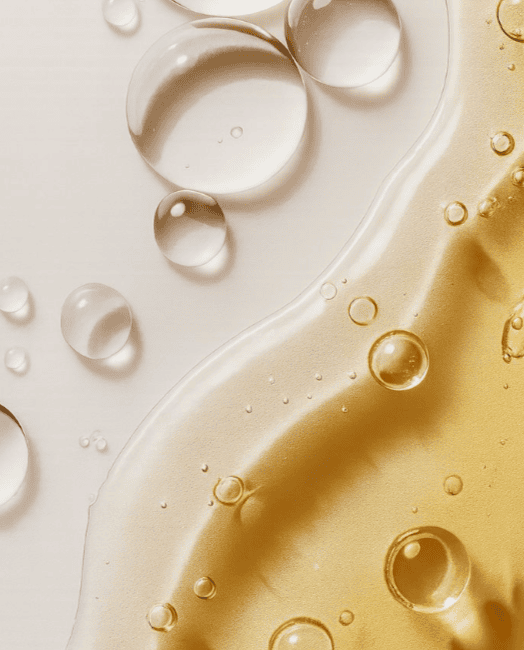
Some products are called oil serums, and some serums contain oils. As with so much in skincare, the name on the bottle doesn’t always tell you what’s inside. The simplest test is texture: if it feels watery, it behaves like a serum; if it feels slippery and doesn’t absorb quickly, it behaves like an oil.
Using them together
Serums go first, oils go last. That’s the lightest-to-heaviest rule in action: water-based products need to reach the skin before an oil forms a layer on top.
At night, apply your serum, then moisturiser, then press a few drops of oil over the top. Some people prefer to mix a drop into their moisturiser instead, which works just as well. Oils are usually best kept for the evening, as they can make sunscreen and makeup slide in the morning.
Who oils suit
Dry skin tends to love them. They’re also lovely for dehydrated skin, used over a hydrating layer, and in colder months, when skin needs more support.
Oily skin can use them too, with a little more care. Lighter oils like squalane feel almost weightless. Heavier oils are best avoided if your skin is prone to congestion.
A few common ones:
Squalane is very light, and suits most skin types.
Jojoba is close in make-up to the skin’s own oil, so it’s often well tolerated.
Rosehip is richer, and often chosen for dry skin and uneven tone.
The short version:
Serums deliver ingredients. Oils seal and soften. Serum first, oil last.
Ask yourself:
Is my skin lacking oil, or water? That tells you which one to reach for.
Worth knowing:
Oils moisturise, but they don’t hydrate. Dehydrated skin needs water first.