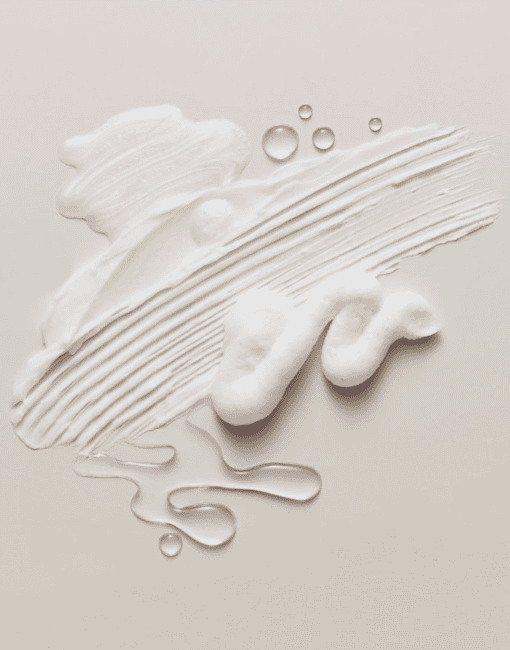
Serums are where skincare starts to feel personal. Your cleanser, moisturiser and sunscreen look after your skin type. Your serum is where you address what your skin is doing right now.
It’s also where the most money tends to go, and where it’s easiest to buy the wrong thing. A serum is only as useful as the match between its main ingredient and your skin’s condition.
What a serum actually is
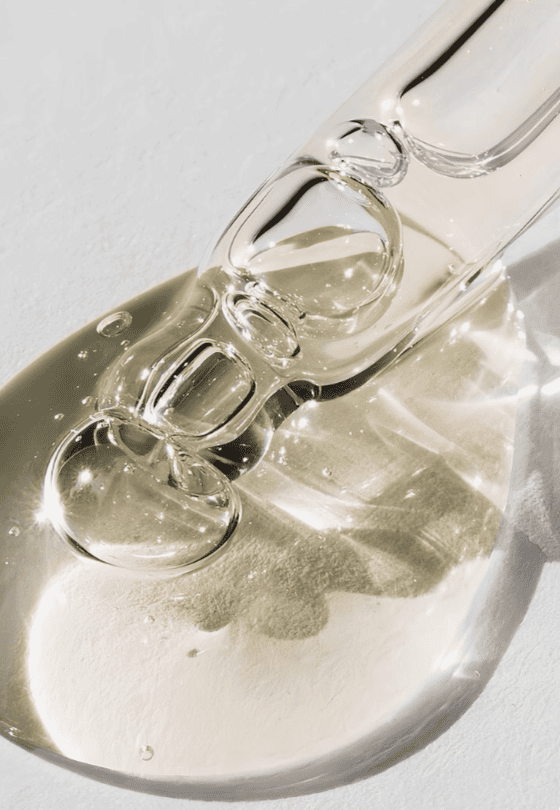
A serum is a lightweight formula designed to deliver a concentrated dose of a particular ingredient. Because the texture is thin, it sits close to the skin, before your moisturiser, so the key ingredient can do its work.
The ingredient is what matters most. Two serums with very different price tags can do the same job if they’re built around the same active, while two serums that look alike can do completely different things.
Matching the ingredient to the condition
Dehydration: hyaluronic acid. Hyaluronic acid draws water into the skin and holds it there, which helps skin look plumper and feel more comfortable. It works best applied to slightly damp skin, followed by a moisturiser to seal that hydration in.
Congestion and breakouts: salicylic acid and niacinamide. Salicylic acid is oil-soluble, so it can work inside the pore to clear build-up. Niacinamide helps regulate oil and calm the redness that often comes with breakouts.
Pigmentation: niacinamide, vitamin C and exfoliating acids. Niacinamide helps reduce the transfer of pigment to the skin’s surface. Vitamin C helps brighten, and exfoliating acids help fade marks over time by encouraging cell renewal. With any pigmentation, daily sunscreen matters as much as the serum itself.
Dullness and prevention: vitamin C. Vitamin C is an antioxidant, helping protect skin from environmental damage while brightening its overall tone. It’s usually a morning step, working alongside your sunscreen.
Signs of ageing: vitamin A. Vitamin A, often seen as retinol or retinal, is the most established ingredient for fine lines, texture and firmness, because it encourages cell renewal. It’s an evening step, and it’s worth starting slowly: two or three nights a week at first, then building up as your skin adjusts.
Sensitivity and sensitisation: barrier-supporting ingredients. Ingredients like ceramides, panthenol and centella asiatica help calm reactive skin and support its barrier. When skin is sensitised, this is the serum to reach for, and often the only one it needs for a while.
A note on vitamin C and vitamin A
These are the two ingredients where formulation really matters, and where price can genuinely reflect quality.
Vitamin C, particularly in its pure form (L-ascorbic acid), is unstable and breaks down with exposure to light and air. A serum that has turned dark orange or brown has oxidised and won’t be as effective. Opaque, airtight packaging helps.
Vitamin A comes in different strengths and forms, and a well-formulated one can make the difference between results and irritation. It’s the ingredient where starting gently pays off most.
Using more than one
You can treat one condition at a time or layer serums to treat a few at once. If you’re layering, apply the thinnest texture first.
A simple way to divide them is by time of day: vitamin C in the morning, vitamin A at night, and hydrating or soothing serums whenever your skin needs them. Avoid using vitamin A and exfoliating acids on the same night, especially when you’re new to either.
And as with any new product, introduce one at a time. It’s the only way to know what’s actually working.
The short version:
Choose the ingredient first, then the serum. Match it to what your skin is doing right now.
Ask yourself:
What am I trying to change? Which ingredient actually addresses that?
Worth knowing:
If your vitamin C serum has turned dark orange, it has oxidised and is past its best.