Once you start adding treatments to your routine, the questions change. It’s no longer just what should I use? but what order does it go in, and can I use these together?
Layering is where a routine either comes together beautifully or starts working against itself. The good news is that it follows a few simple principles.
The basic rule
Lightest texture first, heaviest last.
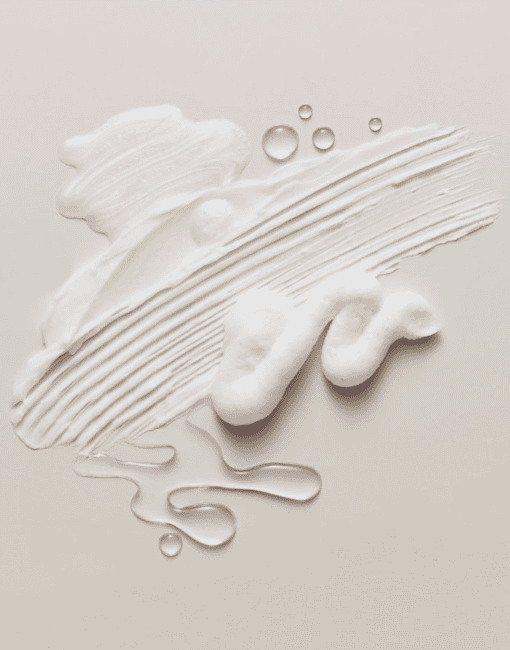
Thin, watery products go on first, so they can reach the skin. Richer creams follow, then oils, which sit on top. Sunscreen is always the final step in the morning, with makeup after it.
A useful way to think about it: each layer should be able to reach the skin through the one before it. A watery serum can’t get through a thick cream, but a cream can sit comfortably over a serum.
A typical order looks like this:
Cleanser, then toner or essence, then serums and treatments, then moisturiser, then oil, then sunscreen in the morning.
How much to wait
You don’t need to leave long gaps between steps. Giving each layer a moment to settle, usually until it no longer feels wet, is enough for most products.
If your products are pilling, rolling into little flakes on the skin, it’s usually a sign you’re using too much, not giving layers time to settle, or combining formulas that don’t sit well together. Using less of each product often solves it.
Combinations that work well
Some ingredients pair so well together that they’re often formulated side by side:
Vitamin C and sunscreen in the morning. Vitamin C helps protect the skin from environmental damage, working alongside your sunscreen.
Vitamin A with hyaluronic acid or ceramides at night. Hydrating and barrier-supporting ingredients help skin stay comfortable while it adjusts to vitamin A.
Niacinamide with almost anything. It’s one of the easiest ingredients to layer, and pairs well with hyaluronic acid, vitamin A and exfoliating acids.
Hyaluronic acid with everything. It’s gentle, and helps keep skin hydrated whatever else you’re using.
Combinations to separate
Some ingredients are best used at different times, not because they cancel each other out, but because together they can be too much for the skin.
Vitamin A and exfoliating acids. Both encourage cell renewal, and using them on the same night can easily leave skin sensitised. Alternate them on different nights instead.
Vitamin C and exfoliating acids. Both can be irritating for some skin. Using vitamin C in the morning and acids in the evening keeps them apart.
Vitamin A and benzoyl peroxide, a common breakout treatment. Together they can be very drying, and benzoyl peroxide can make some forms of vitamin A less effective.
You may have read that vitamin C and niacinamide shouldn’t be used together. That concern comes from older research using very different formulations. With modern products, most skin tolerates them together well.
You don’t need everything every day
One of the most useful things to know about layering is that you don’t have to use every product every day.
A simple rhythm works well for most people. Vitamin C in the morning. Then in the evening, alternate between a vitamin A night, an exfoliating night, and a simple night of hydration and recovery in between.
That way, your skin gets the benefits of each ingredient without being overwhelmed by all of them at once.
The short version:
Lightest to heaviest, sunscreen last. Separate the strongest ingredients rather than stacking them.
Ask yourself:
Am I using two strong ingredients on the same night? Could I alternate them instead?
Worth knowing:
If products are pilling, try using less of each one before blaming the products.