Cleanser is rarely the product anyone gets excited about. It’s the step we rush, the one we buy on autopilot, the one that sits on the edge of the bath until it runs out.
And yet it’s the product that touches your skin first, twice a day, every day. Choose the wrong one and it can quietly undo the work of everything that follows. Choose the right one and your skin feels comfortable, balanced and ready for the rest of your routine.
What a cleanser is actually for
A cleanser has one main job: to remove makeup, sunscreen, oil, pollution and the day from your skin, without stripping it or irritating it.
That last part matters as much as the first. Your skin has a natural barrier made up of oils and moisture that keeps it protected and comfortable. A good cleanser removes what needs to go and leaves that barrier intact.
A cleanser is also on your skin for less than a minute before you rinse it away. So while many promise to brighten, hydrate or smooth, how well it cleanses and how your skin feels afterwards matter far more than anything on the label.
The squeaky-clean myth
For a long time, that tight, squeaky feeling after washing was seen as a sign of a good cleanse. It isn’t. It usually means your skin has been stripped of its natural oils.
Skin that’s been stripped often responds by feeling tight or dry, becoming more sensitive, or even producing more oil to compensate. A good cleanser should leave your skin feeling clean, soft and comfortable, never tight.
Choosing yours
Your cleanser should suit your skin type. Very simply:
Oily skin: a gel or light foaming cleanser, which cleanses thoroughly without leaving residue.
Combination and balanced skin: a gentle gel or lotion cleanser, which balances without stripping.
Dry skin: a cream or milk cleanser, which cleanses while leaving skin comfortable.
Sensitive skin: a gentle, fragrance-free cream or milk cleanser, with as few ingredients as possible.
Some cleansers also contain active ingredients. A salicylic acid cleanser can be helpful for congestion and breakouts, and an exfoliating cleanser can be a gentle way to introduce exfoliation. Just remember these still count as treatment steps, so factor them into the rest of your routine.
The different textures
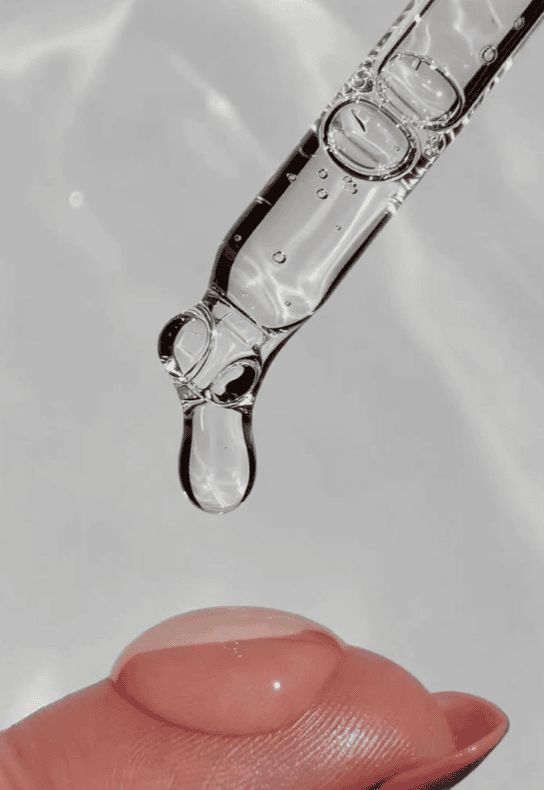
Gels are light and refreshing, and suit oily and combination skin.
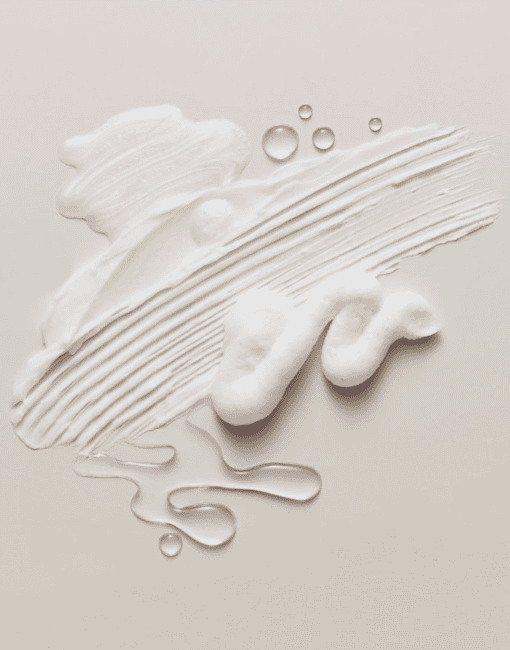
Foams lather up and feel very clean. Choose gentle formulas, as some can be drying.
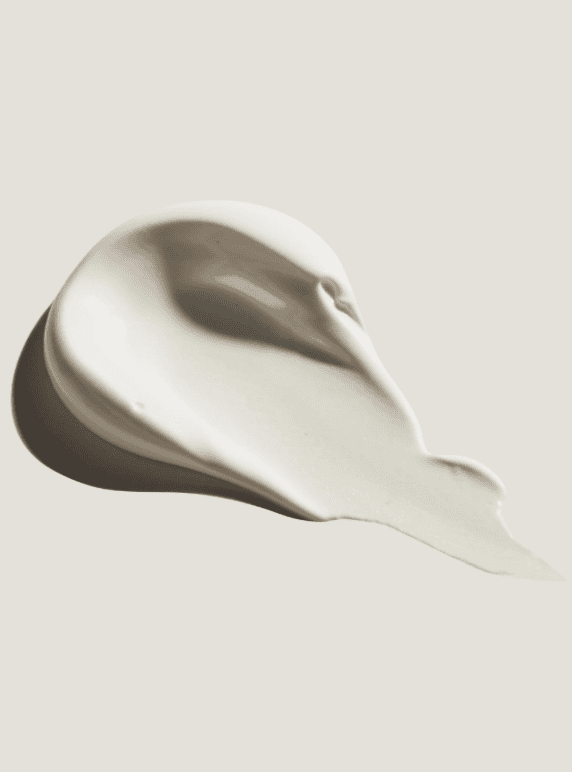
Creams and milks are soft and nourishing, and suit dry and sensitive skin.
Balms and oils melt away makeup and sunscreen, and are ideal as a first cleanse.
Micellar water is convenient for removing makeup, but works best as a first step rather than a full cleanse on its own.
Double cleansing
Double cleansing simply means cleansing twice in the evening, using two different types of cleanser.
The first cleanse, usually a balm or oil, breaks down makeup, sunscreen and excess oil. Oil dissolves oil, which is why this step is so effective. The second cleanse, your usual cleanser, then cleanses the skin itself.
It’s worth doing if you wear makeup or sunscreen, which should be most of us, or if you have oily skin. If you’ve had a day with neither, a single cleanse is enough.
To double cleanse, massage your balm or oil into dry skin, add a little water so it turns milky, then rinse. Follow with your second cleanser as normal.
How to cleanse well
Take your time. Massage your cleanser into your skin for around a minute, so it can do its job.
Use lukewarm water. Hot water can strip and dehydrate the skin.
Be gentle. Use your fingertips, a soft muslin cloth or a flannel, never scrubbing.
Pat dry with a clean towel.
In the morning, a gentle single cleanse is usually all you need. If your skin is dry, you might even prefer a splash of water. In the evening, give your skin a thorough cleanse, or a double cleanse, to remove the day.
The short version:
A good cleanser removes the day without stripping your skin. Choose one that suits your skin type.
Ask yourself:
How does my skin feel after cleansing? Comfortable and soft, or tight and squeaky?
Worth knowing:
That squeaky-clean feeling isn’t a good sign. It usually means your skin has been stripped.